While on All In Monday night , Election lawyer Mark Elias and his voting rights organization, Democracy Docket, celebrated the 7-2 ruling as a major victory for voters but asserted those (conservo majority) Supremes still don’t deserve a ”gold star” for blocking Trump's mail voting restrictions
His critique centered on the court's motivations rather than a
sudden shift toward protecting voting rights:
- The
"Purcell Principle" and Timing: Elias noted that the conservative majority, including
Justice Brett Kavanaugh, sided against Trump primarily because the
midterm elections are too close. Under the court's own "Purcell
principle," judges are highly reluctant to change election rules
right before voting begins to avoid mass disruption.
- Leaving the Door Open for 2028: The court only blocked the restrictions "for now" ahead of the midterms. In his concurring opinion, Kavanaugh explicitly left the door open for the Trump administration to implement the restrictive United States Postal Service rules in future election cycles, suggesting the rule might fall within federal legislative limits.
The Supreme Court ruled on Friday that the Trump
administration can deploy an expansive online system that combines citizenship
information, Social Security numbers and other sensitive data about millions of
Americans, including to allow states to use it to hunt for ineligible voters.
Critics fear that using the system could result in the
purging of large numbers of valid voters from state rolls.
The majority concluded that a lower-court ruling that had
blocked the Trump administration from rolling out the system was improper
because it inhibited “the federal government’s efforts to assist state and
local agencies in the proper administration of the midterm elections.”
The emergency ruling was unsigned and gave no vote count,
but the court’s three liberal justices joined in dissent. The ruling was a
victory for the Trump administration as it tries to marshal the resources of
the federal government to shape who can vote, and how. The effort has prompted
legal challenges ahead of November’s midterm elections.
In a 12-page dissent, Justice Ketanji Brown Jackson
emphasized that the majority’s decision created the conditions for some states
to cancel the voter registrations of at least some recently naturalized
citizens or to force them to provide proof of citizenship before voting.
“The harm caused by burdening or disenfranchising even a few
lawful voters outweighs the nonexistent harm that the government experiences
when it is prevented from taking an action that it likely lacks the authority
to take,” she wrote, joined by Justices Sonia Sotomayor and Elena Kagan.
The decision came after the justices had dealt the
administration a major setback this month, when the court’s majority blocked
the government’s plan to require the Postal Service to screen mail-in ballots.
That loss frustrated President Trump, who assailed the court
in a social media post, accusing it of “shockingly bad rulings that are of such
magnitude that it won’t be easily possible for our Country to recover or heal.”
In March 2025, Mr. Trump signed an executive order directing several federal agencies, including the Department of Homeland Security and the Social Security Administration, to pool their records into an online tool that state and local officials could use to verify the citizenship and immigration status of registered voters.
— from the Brennan Center for Justice
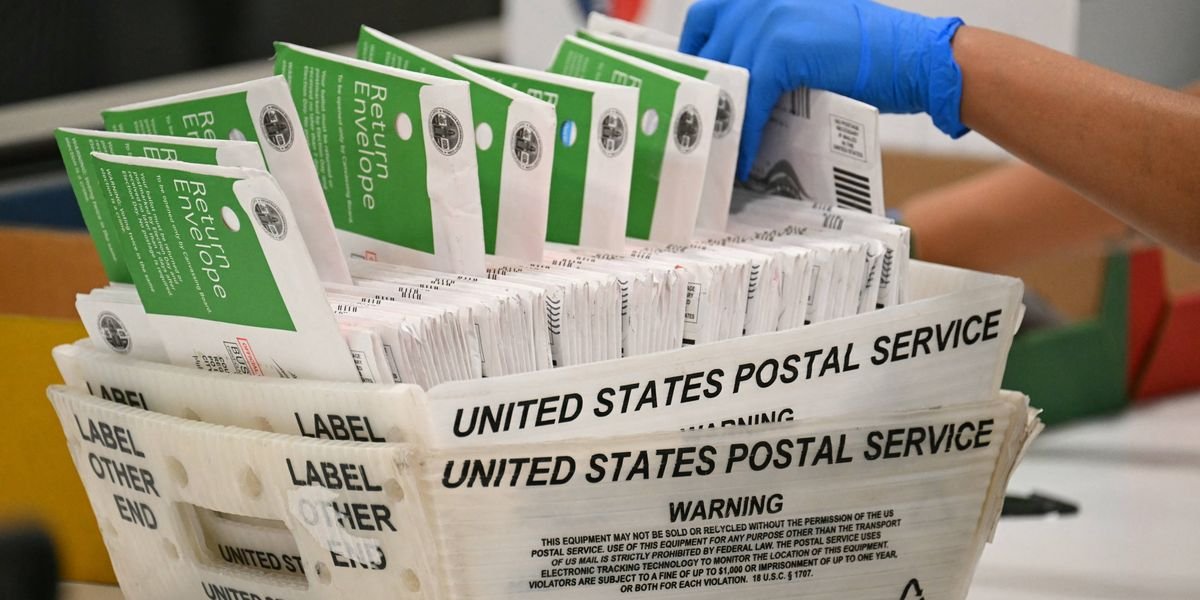
Voters had a big win at the Supreme Court this week. What does it all mean?
On Monday, the court refused to allow the Postal Service to implement a new rule that would have curbed mail voting. But the one-paragraph ruling seemed to say more than “not yet.” The Trump administration, the justices ruled, was “unlikely to succeed on the merits.”
This was great news for the millions of citizens who rely on mail voting, the method now used by 1 in 3 voters. It was utterly bonkers that the White House tried to exert control over the election system. That’s illegal, a fact now confirmed over and over. The Brennan Center was proud to be part of the legal team representing voters before the Supreme Court.
President Donald Trump’s drive to undermine the election is failing. Time and again, his moves have been parried or blocked.
And:
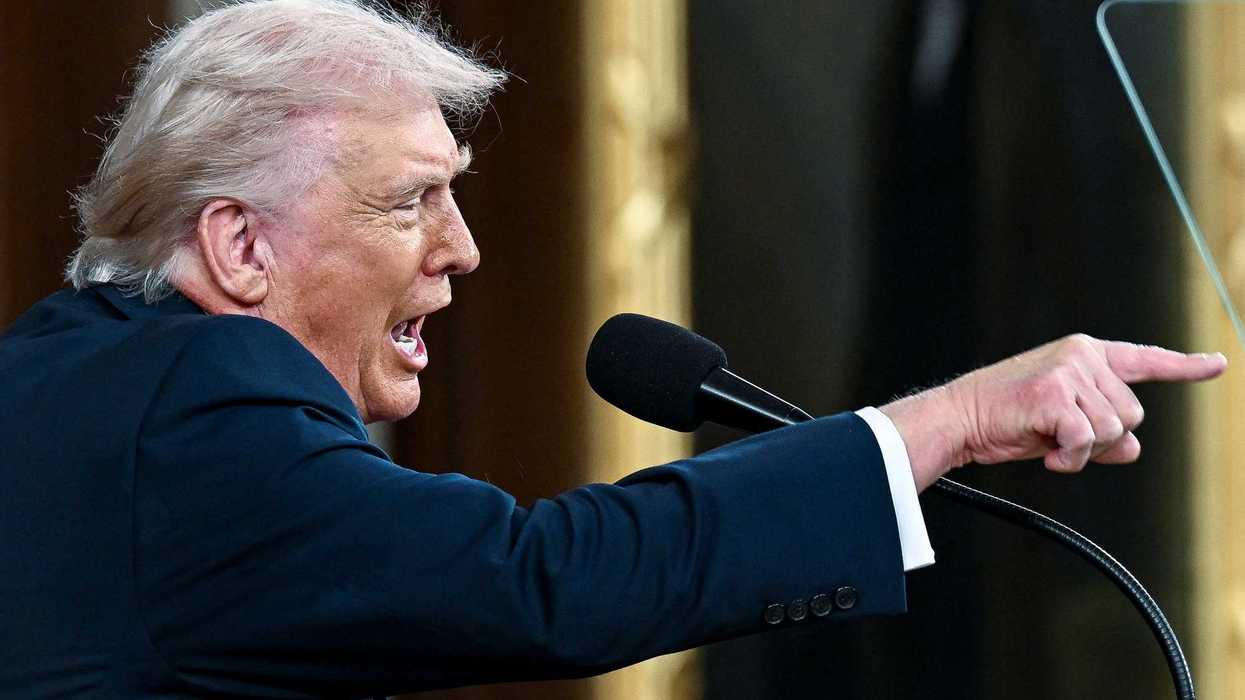
New York Times reporters Maggie Haberman and Jonathan Swan spoke at The Atlantic Festival Thursday, where the former detailed her predictions about President Donald Trump's presidency if Democrats take over one or both houses of Congress.
In a discussion about pardons and members of the administration breaking laws, court rulings, or orders, Haberman said that one thing that Steven Miller learned is that if the president declares an emergency, he can do whatever he wants. That combined with "an utterly compliant House GOP and slightly less so but fairly compliant Republican Senate" is how Trump has accomplished what he has.
Aside from the "emergency powers" efforts, another option is for Congress to hand over its power."And so, not to get too hyper local here, but there are many ways in which this government reminds me of like 1970s New York," Haberman said. "And the reason I say that is that that is Donald Trump's, you know, sort of, model of executive power."
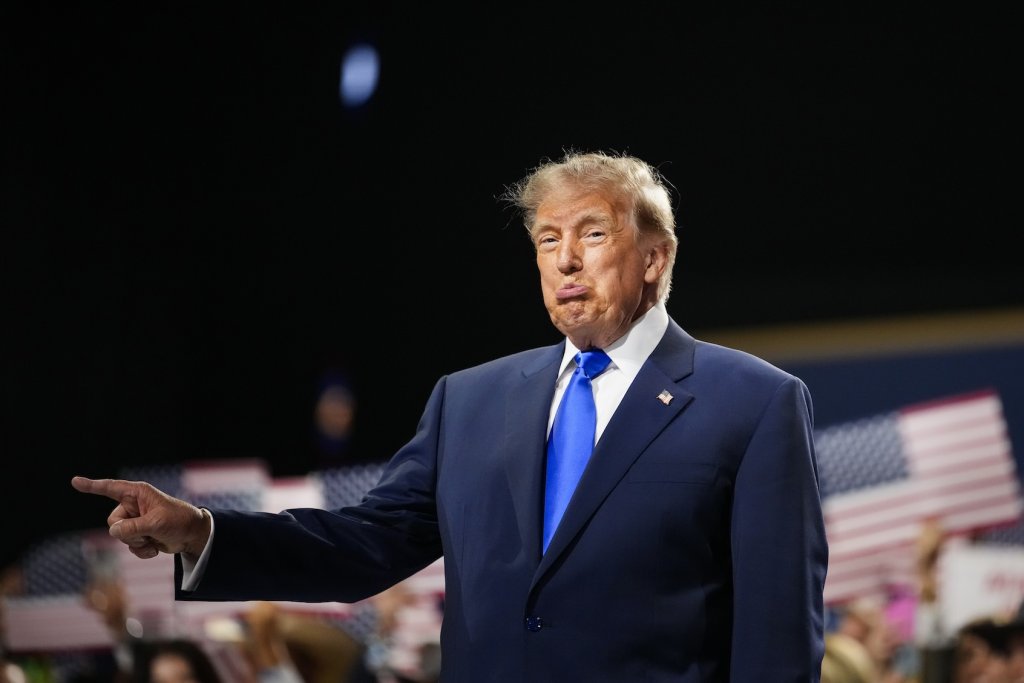
Natalie Harp’s enormous bag and unflattering photos of Trump's rear end fuel attacks on a reporter
If there’s ever been anything Donald Trump loves more than gold, it’s a camera. The former reality TV host has willingly debased himself in a myriad of ways — doing an ad for Pizza Hut, shaving Vince McMahon’s head during a wrestling match, painful “acting” appearances in “Home Alone 2″ and “The Fresh Prince of Bel-Air” — all to get a sweet, sweet dose of video proof of his existence.
Right now Trump can’t stop begging for attention, even though it’s immensely damaging to his party’s midterm prospects. He forced the Republicans to throw him a two-day fake convention so he could give lengthy prime-time speeches. He holds frequent on-camera events in the Oval Office, forgoing the work of actual governance so he can be photographed sitting behind the Resolute Desk.
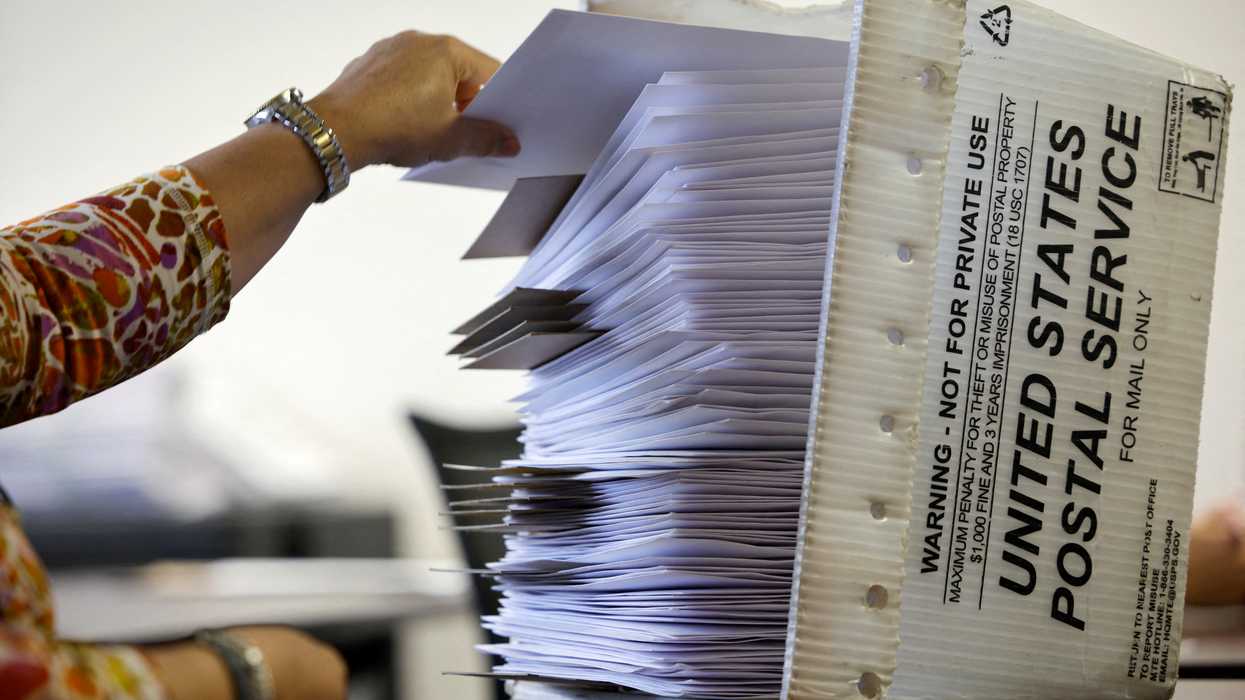
The New York Times reported Monday that federal agents may have broken state laws when the Department of Homeland Security ordered them to use private information to access voter records in state databases.
President Donald Trump's effort to find noncitizens on state voter rolls may be relying on questionable data, rushed reviews and even investigative practices that could have violated local state law.
The “Unlawful Voter Initiative” is a Trump administration operation that has reportedly deployed hundreds of federal agents to search voter-registration records for evidence that noncitizens are voting in mass numbers. It was exposed in a New York Times report last month, in which the whistleblower alleged that hundreds of federal agents have been ordered to sift through voter rolls in a widespread hunt to find voter fraud.

No comments:
Post a Comment